
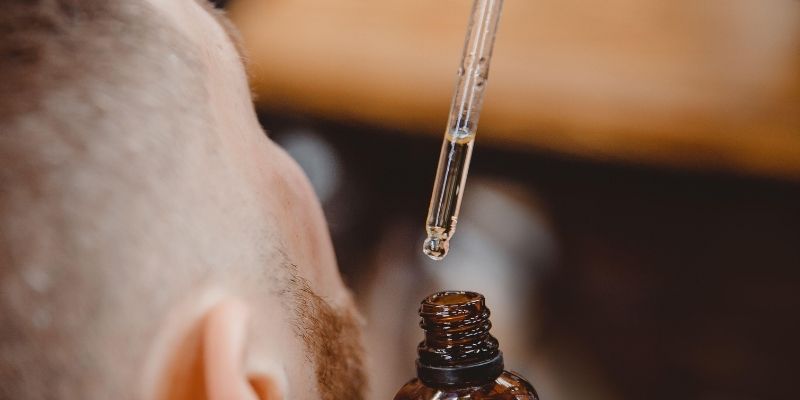
5 Proven Vitamins and Minerals Against Hair Loss
Your hair loss may be caused by a vitamin or mineral deficiency. We explain the effects of micronutrients such as Biotin, Zinc, and Iron, which are vital for healthy hair, and in which foods they are found.

Hair transplant specialist Alp Eren Akinturk Tuna is a pioneer in hair restoration. Having completed his subspecialty in the USA, he is the developer of innovative methods such as stem cell-supported FUE and Bio-Harmonic hairline. The internationally award-winning Tuna shares his knowledge with his patients at NK Aesthetics, which he founded. (This biography was created for trial purposes.)
Vitamins and Minerals Proven to Be Effective Against Hair Loss
The health of our hair is a reflection of our overall body health. No matter how important the shampoos and care products we use for shiny, strong, and full hair are, nourishing our body from the inside is just as critical, even more so. Although often overlooked, one of the most common underlying causes of stubborn hair loss is the deficiency of essential vitamins and minerals.
Our body needs certain micronutrients to nourish hair follicles and produce healthy hair strands. When these nutrients are insufficient, the hair production cycle slows down, and hair loss becomes inevitable. Here are the most important vitamins and minerals scientifically proven to be directly related to hair health:
1. Biotin (Vitamin B7): The Raw Material of Keratin
The first vitamin that comes to mind when talking about hair health is undoubtedly Biotin. Biotin plays a fundamental role in the production of keratin, the main building block of hair. Inadequate Biotin intake can cause hair to weaken, become fragile, and fall out.
-
In Which Foods is it Found? Egg yolk, nuts like almonds and walnuts, whole grains, avocado, sweet potato, salmon.
2. Zinc: The Protector of Hair Follicles
Zinc is a vital mineral that protects the structure of the hair follicle, ensures tissue repair, and supports the proper functioning of the sebaceous glands. Zinc deficiency can disrupt the hair growth cycle and lead to a common type of hair loss known as telogen effluvium.
-
In Which Foods is it Found? Red meat, pumpkin seeds, chickpeas, lentils, spinach, oysters.
3. Iron: Source of Oxygen and Life
Anemia developing due to iron deficiency in the body is one of the most common medical causes of hair loss. Iron sits at the center of the hemoglobin molecule, which allows red blood cells to carry oxygen. Inadequate iron causes hair follicles not to get enough oxygen and nutrients, which leads to hair weakening and falling out.
-
In Which Foods is it Found? Red meat, liver, dark leafy greens like spinach, lentils, dried fruits.
4. Vitamin D: The Stimulator of New Roots
Although the role of Vitamin D on bone health is well known, studies in recent years show that it is also critical for hair health. It is thought that Vitamin D helps new hair to grow (transitioning to the anagen phase) by stimulating dormant hair follicles. Vitamin D deficiency has been associated with autoimmune hair loss types, especially alopecia areata.
-
How to Get It? The best source is the sun. In addition, oily fish like salmon and mackerel, and dairy products fortified with Vitamin D are good sources.
5. Vitamin C: Collagen Producer and Iron Helper
Vitamin C is essential for the production of collagen protein, which gives elasticity and strength to the scalp. At the same time, as a powerful antioxidant, it protects hair roots from the damage of free radicals. More importantly, it significantly increases the body's absorption of plant-based iron.
-
In Which Foods is it Found? Orange, tangerine, kiwi, strawberry, broccoli, red and green peppers.
Professor's Note: If you are experiencing intense hair loss, instead of unconsciously using high-dose supplements, the best approach is to first consult a physician and have your blood values checked. After your deficiencies are identified, you can regain your hair health with proper nutrition and supplements recommended by your physician.
Most Read
Is Unshaven Hair Transplant Possible? All Details
Alp Eren Akinturk
How is Hair Transplant Done in Women? What are the Differences?
Alp Eren Akinturk
Things to Do Before a Hair Transplant
Alp Eren Akinturk
How to Choose the Right Shampoo for Your Hair Type?
Alp Eren Akinturk
What is FUE Hair Transplant? How is it Done?
Alp Eren Akinturk