
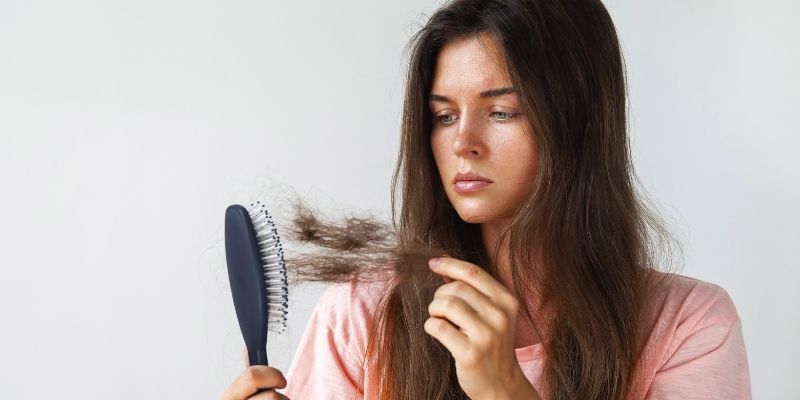
5 Scientific Methods to Slow Down Hair Loss
Genetic hair loss does not have to be your destiny. We explain proven medical treatments, nutrition, and proper care methods to slow down hair loss and protect your existing hair.

Hair transplant specialist Alp Eren Akinturk Tuna is a pioneer in hair restoration. Having completed his subspecialty in the USA, he is the developer of innovative methods such as stem cell-supported FUE and Bio-Harmonic hairline. The internationally award-winning Tuna shares his knowledge with his patients at NK Aesthetics, which he founded. (This biography was created for trial purposes.)
5 Scientific Methods to Protect Existing Hair and Slow Down Future Hair Loss
Noticing that your hair is not as thick as it used to be when you look in the mirror or seeing more hair strands in the bathroom drain than usual can be worrying. Especially genetic hair loss (Androgenetic Alopecia) seems like an inevitable process for many people. However, thanks to modern medicine and scientific approaches, you do not have to "accept" this process. While it is not possible to stop hair loss completely, there are many proven methods to slow down hair loss and protect existing hair.
Here are 5 scientific methods to guide you in your struggle to protect your hair:
1. FDA-Approved Medical Treatments
There are two basic medical treatments that have been scientifically proven effective and approved by international health authorities (such as the FDA). These treatments directly affect the mechanisms underlying hair loss.
-
Minoxidil: It is a solution applied topically (rubbed) onto the scalp. It dilates blood vessels, increasing blood flow and nutritional support to hair follicles. It prolongs the growth (anagen) phase of the hair, slows down shedding, and helps thin fuzz to thicken.
-
Finasteride: It is an oral tablet and works as a DHT blocker. By preventing the formation of the Dihydrotestosterone (DHT) hormone, which is the main culprit of genetic hair loss, it prevents hair follicles from being weakened by this hormone.
-
Professor's Note: Although both of these medications are effective, they may have potential side effects. Therefore, they must be used with a physician's diagnosis and prescription.
2. Low-Level Laser Therapy (LLLT)
Low-level laser therapy is a non-invasive method that sends red light energy painlessly to hair follicles. This energy is thought to stimulate metabolic activity in stem cells, increase cellular energy (ATP), and encourage hair follicles to switch from the resting phase to the growth phase. It can be applied in clinics or with home-type laser hat/comb devices.
3. Supportive Injections (PRP and Mesotherapy)
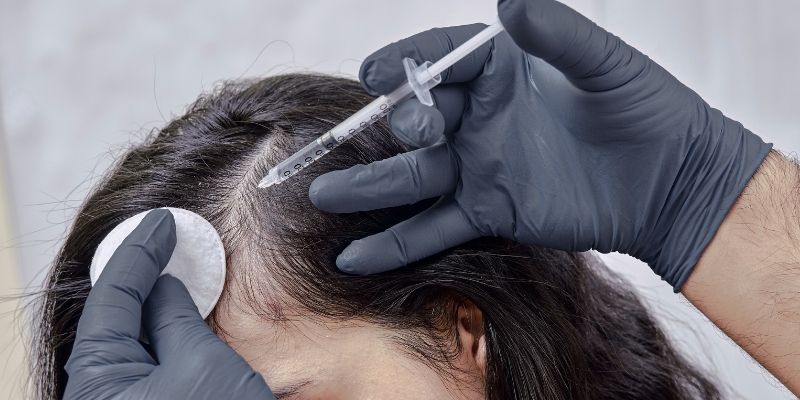
As detailed in our previous article, PRP and Mesotherapy are powerful supportive treatments that directly nourish hair follicles. These methods strengthen weakened and thinned hair roots by giving them a "fertilizer" supplement and make them more resistant to falling out. They are applied in regular sessions to improve the quality of existing hair and cut the rate of hair loss.
4. Anti-Inflammatory Nutrition and Micronutrients
Chronic low-level inflammation can damage hair follicles. A diet rich in antioxidants and Omega-3 fatty acids (oily fish like salmon, walnuts, forest berries, leafy greens) can help suppress this inflammation. Also, ensuring that your levels of Zinc, Iron, Biotin, and Vitamin D are optimal provides the basic building blocks your hair needs.
5. Prioritizing Scalp Health
Healthy hair grows on a healthy scalp. Protecting your scalp from aggressive chemicals is one of the most basic steps you will take.
-
Use Sulfate-Free Shampoos: Prefer gentle cleansers that do not damage the natural protective barrier of your scalp.
-
Control Dandruff and Oiliness: Conditions such as seborrheic dermatitis or severe dandruff can trigger hair loss by causing inflammation. Always consult a dermatologist for such conditions.
In conclusion, the most effective strategy against hair loss is to use more than one method together. In addition to medical treatment under the supervision of a physician, adopting proper care habits and a healthy lifestyle is the most rational way to protect your existing hair and significantly slow down future hair loss.
Most Read
Is Unshaven Hair Transplant Possible? All Details
Alp Eren Akinturk
How is Hair Transplant Done in Women? What are the Differences?
Alp Eren Akinturk
Things to Do Before a Hair Transplant
Alp Eren Akinturk
How to Choose the Right Shampoo for Your Hair Type?
Alp Eren Akinturk
What is FUE Hair Transplant? How is it Done?
Alp Eren Akinturk