
Hair Transplant: Permanent and Modern Solutions for Hair Loss
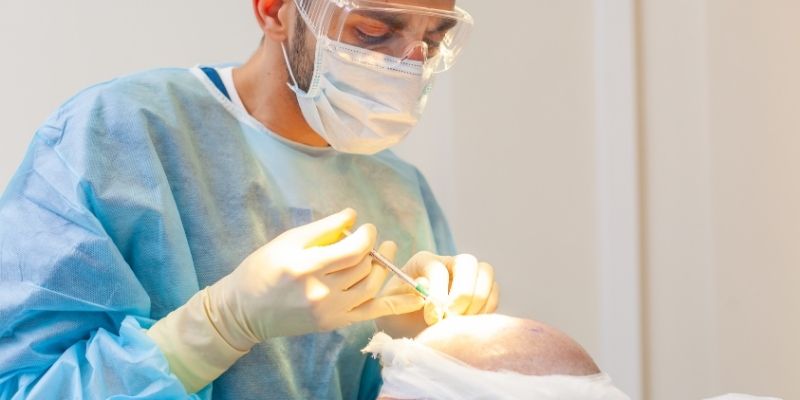
For those looking for a permanent solution to hair loss, hair transplantation offers natural and aesthetic results with modern techniques. Operations planned specifically for the individual using methods like FUE and DHI promise confidence-boosting results.

Hair transplant specialist Alp Eren Akinturk Tuna is a pioneer in hair restoration. Having completed his subspecialty in the USA, he is the developer of innovative methods such as stem cell-supported FUE and Bio-Harmonic hairline. The internationally award-winning Tuna shares his knowledge with his patients at NK Aesthetics, which he founded. (This biography was created for trial purposes.)
For those seeking a permanent solution to hair loss, hair transplantation provides natural and aesthetic results with modern techniques. FUE and DHI methods offer operations tailored to the individual, promising successful results that restore self-confidence.
Hair transplantation is a surgical procedure generally applied to permanently regain hair in cases of androgenetic alopecia, also known as male pattern hair loss. Today, with the advancement of technology, these operations have turned into a very comfortable process, leaving minimal scars and providing a natural appearance.
The basic principle is to extract hair follicles (grafts) from the nape area, which is genetically resistant to hair loss, and transplant them to areas where hair is thinning or completely lost.
The most commonly used modern hair transplant techniques are FUE (Follicular Unit Extraction) and DHI (Direct Hair Implantation) methods. In the FUE technique, hair follicles are extracted one by one from the donor area with the help of a micromotor and then placed into channels opened in the bald area. In the DHI technique, the extracted grafts are implanted directly under the skin without opening a channel, thanks to a special medical pen called a Choi Pen. This method is preferred because it reduces the time the roots wait outside during the transplant and allows for denser implantation.
The key to a successful hair transplant operation is personalized planning. Factors such as the patient's age, hair loss rate, the adequacy of the donor area, and a front hairline design suitable for the facial structure directly affect the naturalness of the result.
The postoperative recovery process and strict adherence to the doctor's recommendations are also critical for the healthy growth of the transplanted hair. When performed with the right techniques by professional teams, hair transplantation offers an effective and permanent solution to hair loss.
Most Read
Is Unshaven Hair Transplant Possible? All Details
Alp Eren Akinturk
How is Hair Transplant Done in Women? What are the Differences?
Alp Eren Akinturk
Things to Do Before a Hair Transplant
Alp Eren Akinturk
How to Choose the Right Shampoo for Your Hair Type?
Alp Eren Akinturk
What is FUE Hair Transplant? How is it Done?
Alp Eren Akinturk