
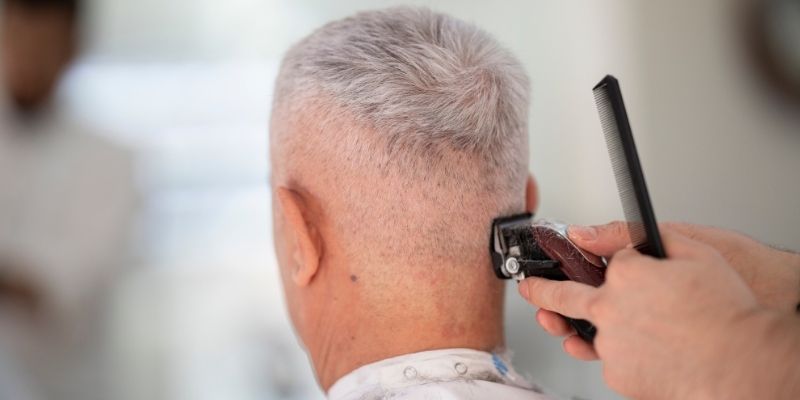
What is the Right Timing for a Hair Transplant?
Which is the most ideal season for hair transplant? Can the operation be done in summer? We explain the effects of sun and sweating on the healing process with scientific reasons and help you find the right time for you.

Hair transplant specialist Alp Eren Akinturk Tuna is a pioneer in hair restoration. Having completed his subspecialty in the USA, he is the developer of innovative methods such as stem cell-supported FUE and Bio-Harmonic hairline. The internationally award-winning Tuna shares his knowledge with his patients at NK Aesthetics, which he founded. (This biography was created for trial purposes.)
Right Timing for Hair Transplant: In Which Season Should It Be Done?
After making the decision for a hair transplant, one of the first questions that comes to our patients' minds is: "Which is the right season for the operation?" Although there are many different opinions on the internet about this subject, the answer is quite clear when we approach it medically: A hair transplant operation can be performed successfully in any season.
The key to success is not the calendar pages, but how carefully you follow the postoperative care instructions. However, each season has its own advantages and points to consider regarding the recovery process. Come, let's examine these factors through a scientific lens and find the right time for you together.
Autumn and Winter Months (Cold Weather Period)
This period is generally seen as more advantageous by many patients and physicians. The main reasons for this are:
-
Less Sun Exposure: The scalp is in a very sensitive state for the first few weeks after the operation. Direct and intense sun rays (UV) can cause both spotting (hyperpigmentation) on your skin and negatively affect their health by creating stress on sensitive hair follicles. The sun's effect being less in winter naturally minimizes this risk.
-
Decreased Sweating Risk: Sweating is at a minimum in cold weather when body temperature is lower. Sweating can create a moist environment in the operation area, paving the way for itching and potentially an infection risk. The reduction of this risk in winter makes the healing process more comfortable.
-
Easier Social Isolation: Cold weather is a period when people generally spend more time indoors. This naturally provides an advantage for you to rest and stay away from social environments during the critical 10-15 day recovery period following the operation.
Spring and Summer Months (Hot Weather Period)
There is no medical obstacle to having a hair transplant in hot months, but there are more factors to consider:
-
Necessity of Sun Protection: If you are planning your operation in the summer months, you must take sun protection very seriously. You should avoid going out in direct sunlight for the first 1 month, and when you have to go out, you should use a wide-brimmed hat that will not put pressure on the grafts.
-
Keeping Sweating Under Control: Sweating, an inevitable result of hot weather, is one of the biggest risks for the transplant area. During this period, you must be careful to stay in cool environments, prefer air-conditioned places, and strictly avoid heavy physical activities that will make you sweat.
-
Sea and Pool Restriction: If you have summer holiday plans, you should know that swimming in the sea and pool is prohibited for at least 1 month after the operation. Saltwater and chlorine can damage sensitive hair follicles and increase the risk of infection.
The Right Time is the Time That Suits You
As can be seen, every season has its own pros and cons. If you believe you can create a sterile and cool resting environment for yourself by staying away from the sun, sea, and sweating in summer, you can certainly have a hair transplant in summer as well. If you think you will have difficulty providing these conditions, the autumn or winter months will offer a more comfortable recovery process for you.
Remember, the right time is when you can strictly adhere to postoperative care rules and spare at least 10-15 days for yourself.

Most Read
Is Unshaven Hair Transplant Possible? All Details
Alp Eren Akinturk
How is Hair Transplant Done in Women? What are the Differences?
Alp Eren Akinturk
Things to Do Before a Hair Transplant
Alp Eren Akinturk
How to Choose the Right Shampoo for Your Hair Type?
Alp Eren Akinturk
What is FUE Hair Transplant? How is it Done?
Alp Eren Akinturk