
How to Do the First Wash After Hair Transplant?
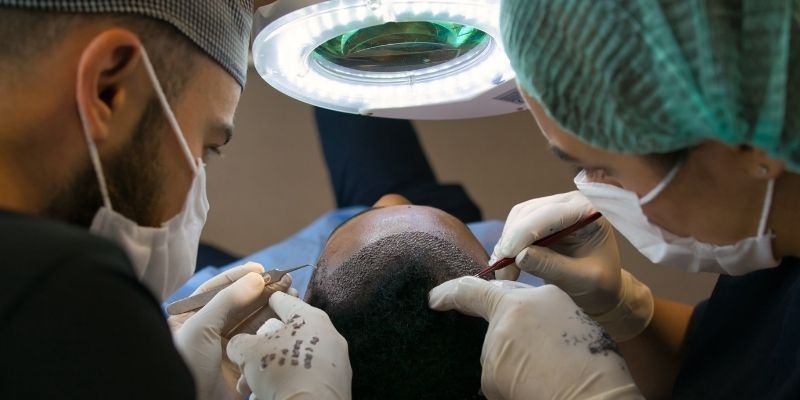
The first wash after a hair transplant is the most critical step of healing. We explain step-by-step when and how you should do this delicate process to clear scabbing without damaging the grafts.

Hair transplant specialist Alp Eren Akinturk Tuna is a pioneer in hair restoration. Having completed his subspecialty in the USA, he is the developer of innovative methods such as stem cell-supported FUE and Bio-Harmonic hairline. The internationally award-winning Tuna shares his knowledge with his patients at NK Aesthetics, which he founded. (This biography was created for trial purposes.)
First Wash After Hair Transplant: When and How Should It Be Done Step-by-Step?
The most important and most wondered stage of the recovery process after a hair transplant operation is undoubtedly the first washing process. Our patients may hesitate to take this step out of fear of damaging the newly transplanted and highly sensitive grafts. However, when done at the right time and with the right technique, the first wash is not something to be feared, but on the contrary, it is a step that accelerates healing, relaxes the scalp, and lays the foundation for healthy hair growth.
In this guide, we will explain in full detail how to safely apply this delicate process at home.
When Should the First Wash Be Done?
It is essential not to be hasty for the first wash. It is generally recommended to be done on the 2nd or 3rd day after the operation. Like in most professional clinics, we perform the first washing process in our clinic under the supervision of our nurses. This initial application also serves the purpose of showing you the right technique for the washes you will do at home in the following days. Therefore, your first attempt at home will actually be your second wash.
Step-by-Step Safe Washing Procedure
The washing process consists of three main stages: Softening, shampooing, and drying. The most important rule in this process is to be gentle. Never use your nails and strictly avoid hard movements such as rubbing and scratching.
What You Need:
-
Special softening lotion or foam provided by your clinic.
-
Medical, paraben-free shampoo recommended by your clinic.
-
Warm water (Should not be hot or cold).
-
A jug or container to pour water (Pressurized shower heads MUST NOT be used).
Procedure Steps:
Step 1: Applying Softening Lotion Apply the softening lotion given to you by your clinic generously to both the transplanted area and the donor area where the grafts were taken. Do this process with your fingertips, without applying pressure, with light touches (dabbing motions). The purpose of the lotion is to soften blood clots and scabs formed after the operation. Wait for about 20-30 minutes after applying the lotion.
Step 2: Rinsing At the end of the waiting period, tilt your head slightly forward and pour the warm water slowly using a container. Take utmost care that the water is not pressurized. Absolutely do not hold the shower head directly to your head! This can cause the grafts to dislodge. Continue this gentle rinsing process until you are sure that all the lotion is washed away.
Step 3: Cleaning with Special Shampoo Take a small amount of the recommended medical shampoo in your hand and lather it between your two hands. Apply this foam to both the transplant and donor areas with gentle dabbing motions. Never rub your scalp with your fingers. The aim is to allow the foam to dissolve dirt and oils.
Step 4: Final Rinse Rinse the shampoo away slowly in the same way, with the help of a container and warm water, without pressure. Make sure there is no shampoo residue left on your scalp.
Step 5: Drying This stage is as critical as washing. Never use a normal bath towel! The friction movement damages the grafts. Instead, absorb the wetness on your scalp with a very soft paper towel, again without applying pressure, with light touches. Letting it air dry on its own after removing the moisture is the healthiest method. Hair dryers, especially on a hot setting, should definitely not be used.
Repeating this washing procedure once every day until all scabs fall off (usually 7-10 days) will support your recovery process in a healthy way. Never hesitate to consult your clinic whenever you have any doubts.

Most Read
Is Unshaven Hair Transplant Possible? All Details
Alp Eren Akinturk
How is Hair Transplant Done in Women? What are the Differences?
Alp Eren Akinturk
Things to Do Before a Hair Transplant
Alp Eren Akinturk
How to Choose the Right Shampoo for Your Hair Type?
Alp Eren Akinturk
What is FUE Hair Transplant? How is it Done?
Alp Eren Akinturk