
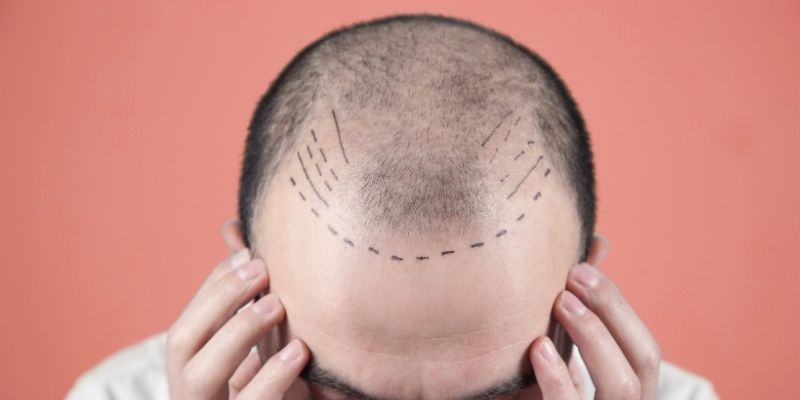
When to Return to Normal Life After Hair Transplant?
Wondering when you can return to sports, sex life, and social activities after a hair transplant? Here are the times you need to wait for each activity and their scientific reasons.

Hair transplant specialist Alp Eren Akinturk Tuna is a pioneer in hair restoration. Having completed his subspecialty in the USA, he is the developer of innovative methods such as stem cell-supported FUE and Bio-Harmonic hairline. The internationally award-winning Tuna shares his knowledge with his patients at NK Aesthetics, which he founded. (This biography was created for trial purposes.)
When Can You Return to Sports, Sex Life, and Social Life After Hair Transplant?
One of the questions our patients ask most during the recovery process after a hair transplant operation is when they can return to their daily routines, sports activities, and social lives. The first few weeks are critical to protecting the health of the newly transplanted grafts. The patience and care shown during this period directly affect the success of the operation.
Here are the timelines you need to know and the medical reasons behind them to safely return to different areas of your life.
When Can You Start Sports?
Increased blood pressure, sweating, and potential risk of impact during sports are the biggest threats to grafts. Therefore, the return to sports should be gradual.
-
Light Exercises (Walking): 1 week after the operation, you can start brisk walks that will not make you sweat or tire you out. This can even aid healing by regulating blood circulation.
-
Fitness and Weight Training: It is recommended that you wait at least 1 month for sports that increase pulse and intracranial pressure, such as bodybuilding and fitness. At the end of a month, you can return to training starting with light weights and without tiring yourself.
-
Contact Sports (Football, Basketball) and Swimming: You must wait at least 2 months for activities carrying a risk of head trauma, such as football, basketball, and martial arts. The risk of grafts dislodging due to impact is very high in these sports. Similarly, due to the risk of infection, you need to wait at least 1 month to enter the pool or the sea.
When Can You Return to Sex Life?
This is one of the topics our patients hesitate to ask but are most curious about the answer to. Since sexual activity also requires physical effort, it carries similar risks to sports: increased pulse, blood pressure, and sweating.
-
It is strongly recommended to avoid sexual activity during the most sensitive period, the first 7-10 days.
-
At the end of this period, you can return to sexual life in a non-strenuous way, taking maximum care that no impact or friction comes to the transplant area. It is important to protect your head and try not to sweat during the activity. You can move more comfortably after about 2-3 weeks.
When Can You Return to Social Life and Work?
This process largely depends on the type of work you do and your personal sensitivity to social appearance.
-
Office Type Jobs: If you have a desk job that does not require physical effort, you can return to work 2-3 days after the operation if you feel well.
-
Jobs Requiring Physical Strength: For jobs requiring physical strength such as construction and heavy industry, you need to rest for at least 2-3 weeks and follow the rules in the sports category.
-
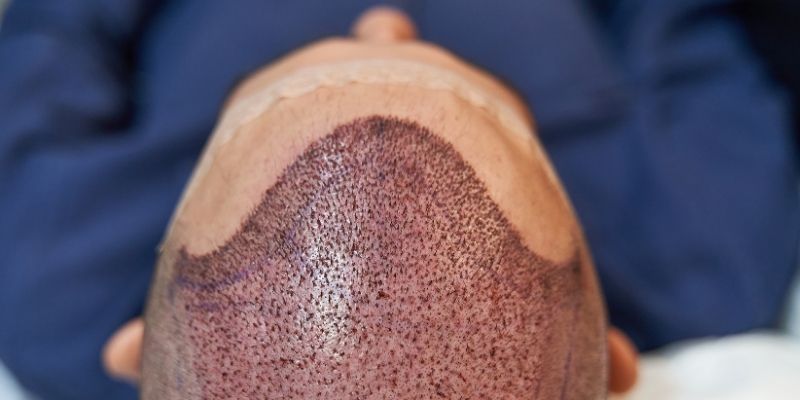
Social Appearance: Edema in the forehead area and scabbing and redness in the transplant area can be seen in the first week after the operation. At the end of about 10 days, the scabs fall off completely and the appearance largely normalizes. After the first week, you can mingle in social life with a loose hat that will not put pressure on the grafts. After shock loss starts, most patients feel more comfortable socially because your appearance will resemble before the operation.
Remember, these periods are general recommendations and each patient's healing speed may be different. The most important rule is to listen to your body and consult your clinic in case of any doubt.

Most Read
Is Unshaven Hair Transplant Possible? All Details
Alp Eren Akinturk
How is Hair Transplant Done in Women? What are the Differences?
Alp Eren Akinturk
Things to Do Before a Hair Transplant
Alp Eren Akinturk
How to Choose the Right Shampoo for Your Hair Type?
Alp Eren Akinturk
What is FUE Hair Transplant? How is it Done?
Alp Eren Akinturk